
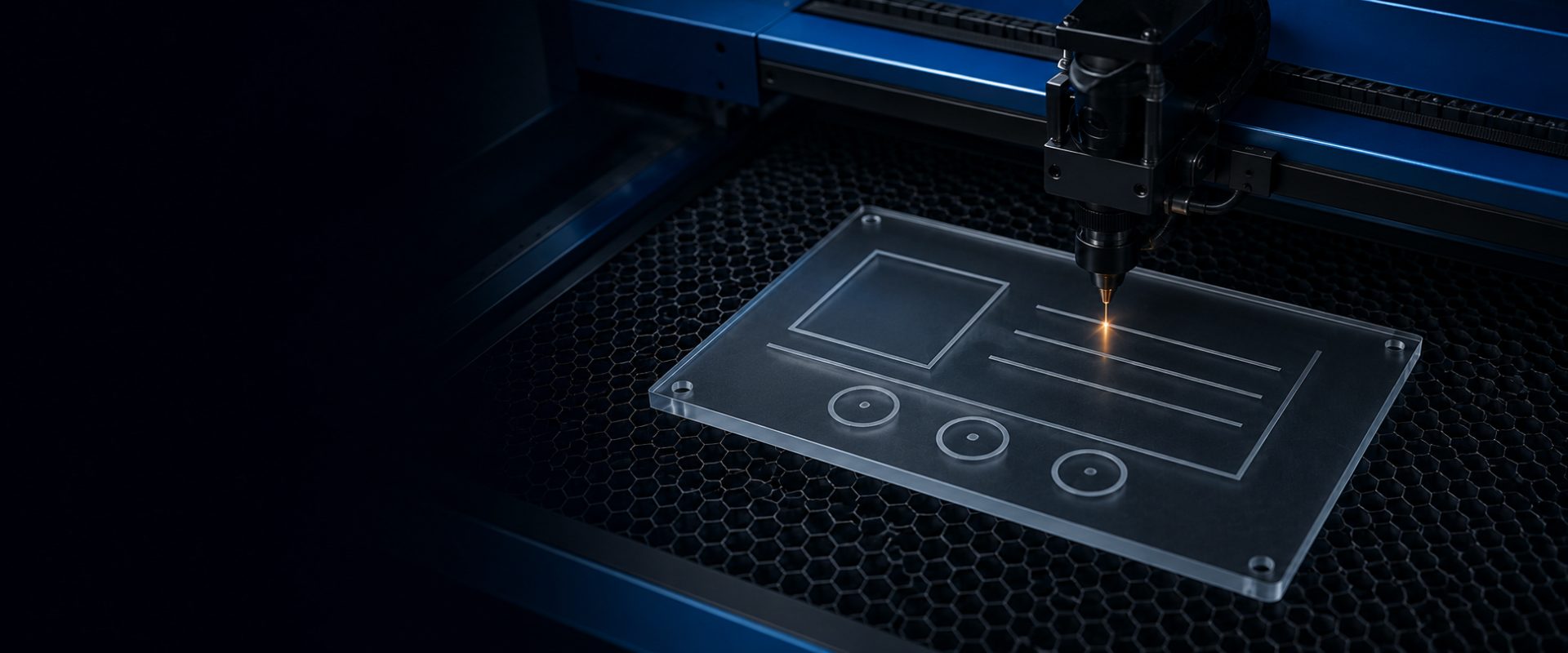
Precision Laser Etching Services
CO2 laser engraving, etching and cutting for drinkware, glass, anodized aluminum, stainless steel, lamacoid, acrylic and stencils.
Request a QuoteA laser marks without touching the surface, which suits coatings, glass and fine detail.
Laser work covers coated drinkware, glassware by approval, anodized aluminum, stainless steel marking with a metal-marking compound, lamacoid tags, stencils, fine detail, serial numbers, and customer-supplied items that need review. It is often the better choice when rotary engraving would be too physical, too large a tool path, or not compatible with the coating.
Coating removal
Powder-coated drinkware is usually marked by removing the coating to reveal the material below.
Surface marking
A laser metal-marking compound can create a dark mark on suitable stainless or bare metal items.
Fine detail
Small type, logos, serial numbers, QR codes, and complex graphics often suit laser setup better.
Material review
Glass, coatings, unknown metals, and customer-supplied items need approval before production.
Choosing the laser route
Coating removal, metal marking and cutting are three different jobs for one laser.
Used for coated drinkware, glass etching, acrylic, wood, plastics, stencils, lamacoid, and many organic materials.
Used with the CO2 laser to create dark marks on suitable stainless or bare metal items.
Useful for stencils, acrylic, thin plastics, and shapes where a clean cut path is required.
If depth, tactile engraving, paint fill, or heavy metal removal matters, rotary engraving may still be the right process.
Laser-marked products
Drinkware, metal tags, lamacoid and stencils
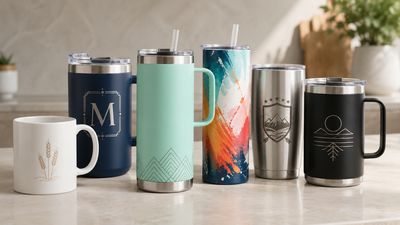
Custom Drinkware
Custom Polar Camel drinkware, customer-supplied tumblers, glassware, and full-colour sublimation drinkware.
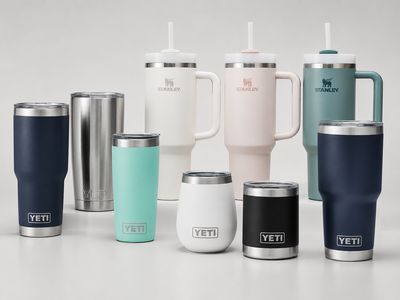
Customer-Supplied Tumblers
YETI-style, Stanley-style, and other customer-supplied tumblers by approval.
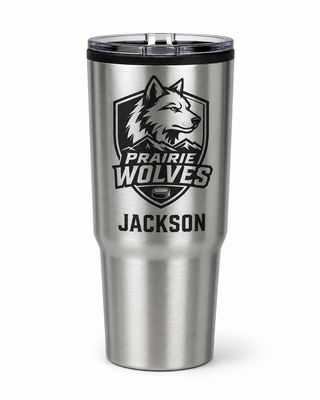
Bare Metal Drinkware Marking
Dark laser marking on suitable bare metal tumblers and drinkware.
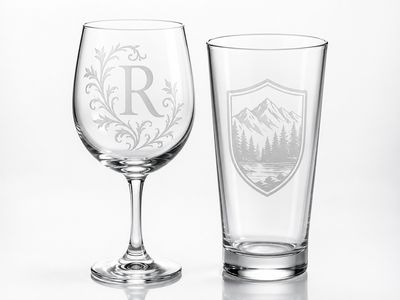
Glassware by Approval
Wine glasses, beer glasses, glass mugs, and similar glassware etched by approval.

Anodized Aluminum Tags
Laser-etched anodized aluminum tags with colored backgrounds

Stainless Steel Tags
Custom stainless steel tags with multiple finishing options

Lamacoid Tags - Indoor - Laser Etched
Custom engraved plastic tags for identification - Indoor - Laser Etched.

Custom Stencils
Laser-cut custom stencils for marking, painting, safety, and industrial use.
What the laser reacts with
Coating, glass or metal: each one marks differently.
A laser can remove coating, frost glass, mark a chemical compound, change an anodized surface, cut plastic, or burn/etch organic material. The final look depends on the material, coating, colour, thickness, and surface condition.
Coated drinkware
Most powder-coated tumblers are marked by removing the coating; bare metal may need a different marking approach.
Glass and acrylic
Glass quality, shape, thickness, and stress affect etching. Acrylic can engrave or cut depending on type and thickness.
Metals and tags
Anodized aluminum, suitable stainless with a metal-marking compound, and some coated metals can mark well; unknown alloys need testing.
Before the laser runs
Laser jobs are often simple to repeat, but not always simple to set up.
Shape and fixture
Cylinders, tapered tumblers, curved glass, and irregular items can need rotary setup or special positioning.
Small text and QR codes
A laser holds finer detail than a rotary cutter, but tiny text and codes still need clean vector artwork to stay sharp.
Testing and risk
Customer-supplied items, unknown coatings, and one-of-a-kind pieces may be accepted only at the customer’s risk.
Before you order
Tell us the material, the artwork and how many
Material and coating
Tell us the material, coating, brand, colour, thickness, and whether the item is customer-supplied or stocked through Pro-Touch.
Artwork and placement
Send vector artwork where possible, plus size, placement, orientation, and whether the item is single-sided, wraparound, or repeated.
Quantity and testing
Send quantity and deadline. If the material is uncertain, let us know whether a test piece or backup item is available.
Before we test or mark
What to know about laser results before production.
Tumblers, glass, permanence and when to switch to rotary.
Usually, yes, but permanence depends on the material. Coating removal, glass etching, anodized marking, and dark metal marking behave differently.
Often, yes, by approval. Coating, shape, brand, taper, and unknown materials can affect setup and results.
Often, but glass quality varies. Shape, thickness, stress, and manufacturing differences can affect the finished look.
Rotary is better for deeper tactile cuts, paint-filled metal engraving, some lamacoid and nameplate work, and jobs where physical depth matters.